
.jpg)
PROTECT YOUR DNA WITH QUANTUM TECHNOLOGY
Orgo-Life the new way to the future Advertising by AdpathwayA blood pressure control program adopted across the University of California’s six academic medical centers has lowered hypertension and prevented serious disease or death for thousands of patients, according to a new study led by UC San Francisco.
The UC Way Hypertension Medication Algorithm improved blood pressure control from 68.5% to nearly 74% among 90,000 patients, including 11,500 at UCSF. The study, published in BMJ Open Quality, lasted two years and ended in mid-2025.
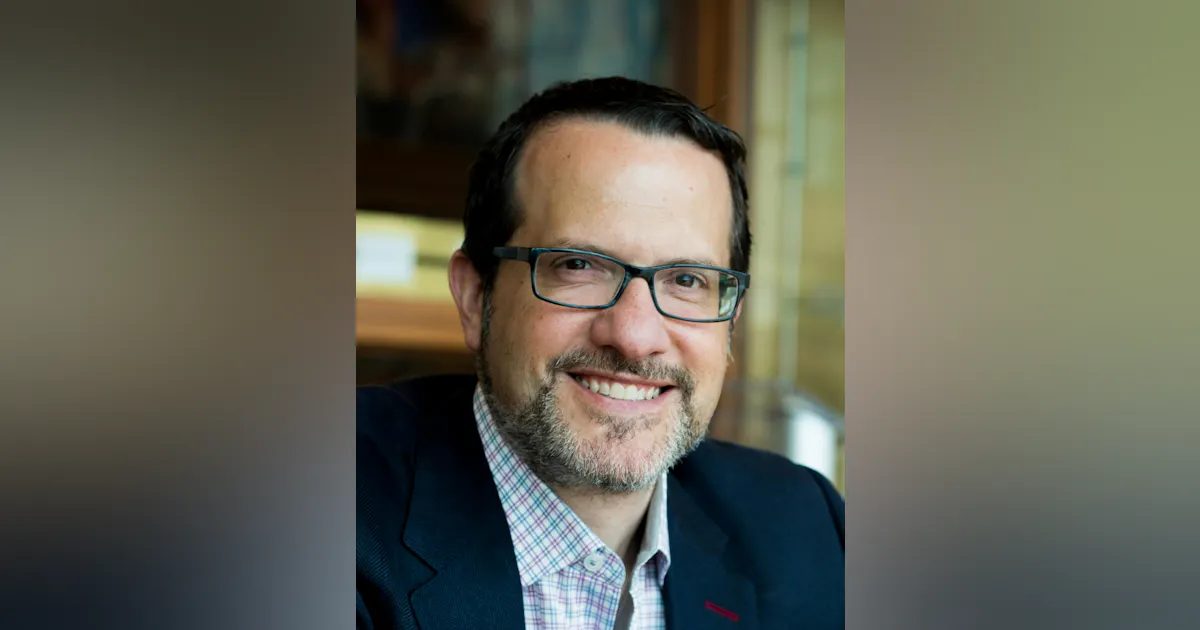
“This improvement amounts to about 4,860 people who now have controlled blood pressure, which translates to 72 strokes, 48 heart attacks and 38 deaths averted,” said lead author Sandeep P. Kishore, M.D., Ph.D., in a statement. Kishore is an internist and associate professor of medicine at UCSF who specializes in cardio-metabolic health. “These are real Californians who didn’t end up in an emergency room, didn’t have a disability, didn’t lose time with their families.”
The abstract for the paper notes that this algorithm represents the first system-wide standardized hypertension protocol across all six academic health centers.
University of California Health (UCH) is one of the nation’s largest public academic health systems with more than nine million outpatient visits annually. The paper states that “unlike integrated systems with unified formularies, University of California Health (UCH) functions as an open network serving diverse populations, payers and formularies, with sites ranging from large urban centers to suburban affiliates and wide variation in demographics, prescribing cultures and coverage. These complexities have historically hindered standardization, prompting implementation strategies centered on consensus-building, leadership engagement and local workflow adaptation. Developing this algorithm across a multi-institutional open system offers lessons for other decentralized health systems seeking to standardize chronic disease care.”
The algorithm follows a stepwise approach to increasing medication types and doses, while allowing clinicians to adjust treatment for individual factors and special populations, such as elderly people. It is integrated into UC’s electronic health records.
The tool was developed by multidisciplinary teams of UC Health cardiologists, internists, primary care physicians, nurses, pharmacists and data scientists. Their strategy emphasized medication affordability and reducing treatment variation across diverse patient populations. The team synthesized evidence from local and global guidelines (from Kaiser Permanente, Veterans Affairs, WHO, American Heart Association) and conducted a cost-access review of California Medicaid, Medicare and commercial formularies to inform medication selection, after recognizing affordability as a key barrier to prescribing options and patient adherence.The UC Way tool was implemented systemwide in 2023.
In addition to medication, study experts recommend lifestyle practices to improve blood pressure such as quitting smoking or tobacco use, limiting alcohol consumption (two drinks a day for men, one for women), limiting sodium (one teaspoon a day or less for most adults), exercising at least 150 minutes a week, losing weight if overweight (BMI greater than 25), eating a healthy diet, and regularly using at-home blood pressure monitors.
Hypertension is especially acute in some populations, including Black and Hispanic adults. For instance, by age 55, 75% of Black adults develop hypertension, compared with 54% of white men and 40% of white women. The UC Health tool increased hypertension control for Black patients to 67.3% from 63.4%. Disparities remained, however, which the authors said highlights the need for more targeted interventions.
The authors noted that the UC Way program could be used by other health systems to standardize care of hypertension or adapted to treat other chronic diseases.
“Similar efforts are now underway for diabetes at UC Heath, and the approach may be tailored to other conditions in the future,” Kishore said. “The challenge isn’t the science – we know how to control blood pressure. This is all about having a system-wide focus that actually moves the needle. UC Health’s experience shows that with the right infrastructure and commitment, large, complex health systems can improve blood pressure control and prevent heart attacks and strokes.”









 English (US) ·