
.jpg)
 1 year ago
112
1 year ago
112
PROTECT YOUR DNA WITH QUANTUM TECHNOLOGY
Orgo-Life the new way to the future Advertising by Adpathway
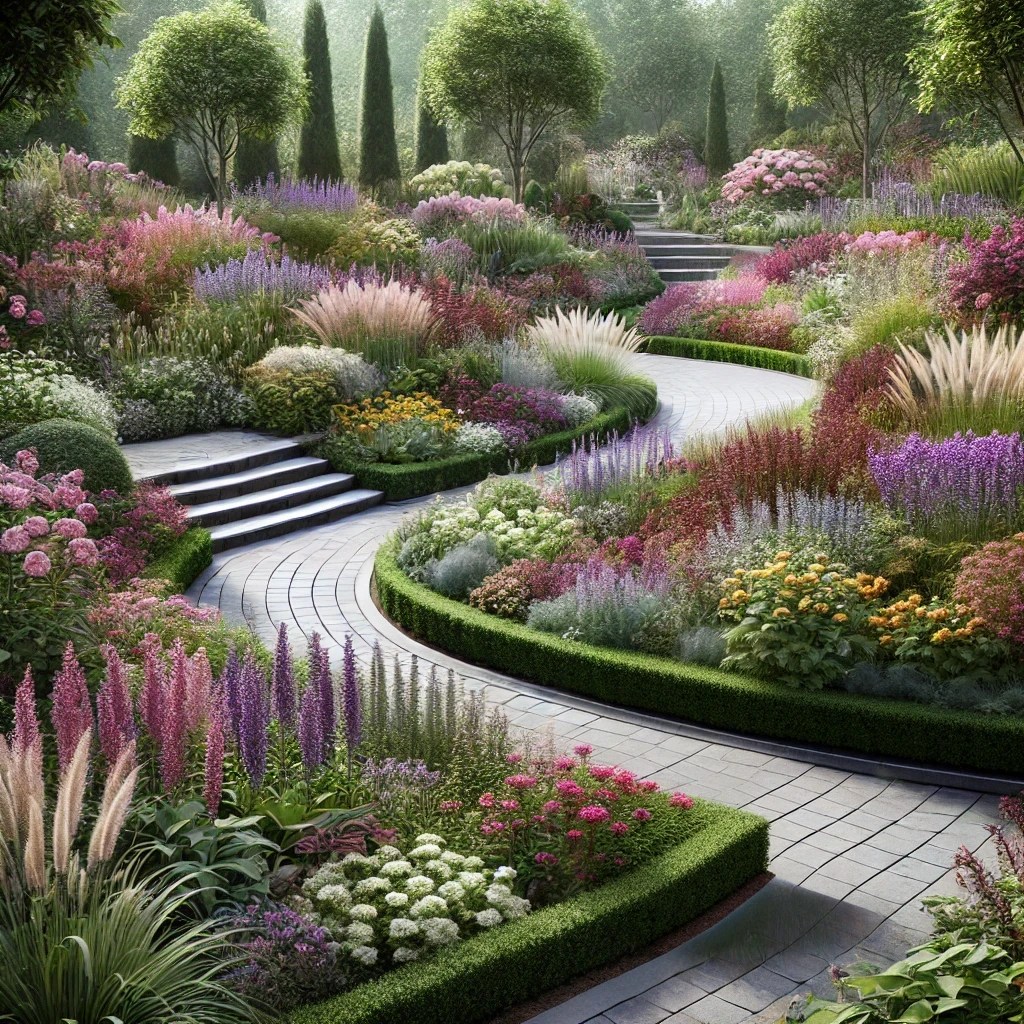
Aesthetic garden design is about creating visually harmonious and engaging outdoor spaces by carefully balancing elements such as color, texture, form, and scale. A successful garden draws the eye, evokes emotion, and creates a sense of flow and order. This approach to design focuses on the artistic side of gardening, where the arrangement of plants, structures, and materials works together to create a cohesive and pleasing visual experience.
This article outlines ten core principles of aesthetic garden design—unity, balance, proportion, rhythm, color, texture, form, line, focal points, and depth—that serve as a foundation for creating visually compelling gardens. Each principle is explained with practical examples to help you understand how to apply them effectively in your own garden.
The second part of the article explores the distinction between aesthetic and functional garden design, highlighting how aesthetic design emphasizes visual harmony and artistic expression, while functional design prioritizes ecological balance and sustainability. Understanding how these two approaches differ—and how they can complement each other—can help you create a garden that is both beautiful and resilient.
This is a very long, detailed and comprehensive article, which may be easier to navigate using the table of contents below, or the page links for each section:
Table of Contents
- 1. Unity and Harmony
- 2. Balance
- 3. Proportion and Scale
- 4. Rhythm and Repetition
- 5. Color
- 6. Texture
- 7. Form and Shape
- Key Types of Plant Forms
- 1. Upright and Vertical Forms
- 2. Rounded and Mounded Forms
- 3. Weeping Forms
- 4. Horizontal and Spreading Forms
- 5. Architectural and Structural Forms
- 6. Irregular and Naturalistic Forms
- Combining Plant Forms for a Cohesive Look
- Form in Hardscaping and Garden Structures
- ✅ Key Takeaways:
- 8. Line
- 9. Focal Points
- 10. Perspective and Depth
- How to Apply These Principles
- The Differences Between Aesthetic and Functional (Ecological) Garden Design
The following sections describe the ten aesthetic design principles. Each ones begins with a brief summary of the principle and short list of descriptive points. This is followed by a more detailed explanation along with practical examples.
Post navigation
Discover more from Deep Green Permaculture
Subscribe now to keep reading and get access to the full archive.








 English (US) ·