
.jpg)
 6 hours ago
5
6 hours ago
5
PROTECT YOUR DNA WITH QUANTUM TECHNOLOGY
Orgo-Life the new way to the future Advertising by AdpathwayIf you have ever stepped out of a fitting room in something you loved, only to have someone else’s face drain the joy out of the moment, you already understand the emotional stakes of wedding dress shopping. For plus-size brides, that vulnerability can feel even sharper.
The dress is rarely treated as just a dress. It becomes a test of taste, desirability, restraint, and whether other people think your body is allowed to take up space in white. That tension is exactly what sparked this piece.
In a recent post titled “The wedding dress I loved but my mom hated,” a bride at 300 pounds shares how her mother’s comments about her stomach and size turned a moment of genuine joy into shame. The comment section filled up fast with women who recognize the pattern. Some called her “a gorgeous wedding cake topper” and urged her to ignore her mother’s negativity.
Others admitted they did not bring their moms to dress shopping at all, saying, “This is why I didn’t have my mom come with me to the dress shop,” because they knew the outing would become a critique instead of a celebration. A few asked quietly whether her mom’s reaction “ruined it” for her, naming how often a loved one’s disgust can contaminate a dress a bride once adored.
Those comments reveal something bigger than one family drama. They point to the hidden emotional pressure behind plus-size wedding dress shopping: a world where bridal sizing runs small, average dresses cost thousands of dollars, and yet curvy brides are still expected to navigate fittings in front of the very people most likely to make their bodies the problem.
Bridal Joy Meets Bridal Sizing
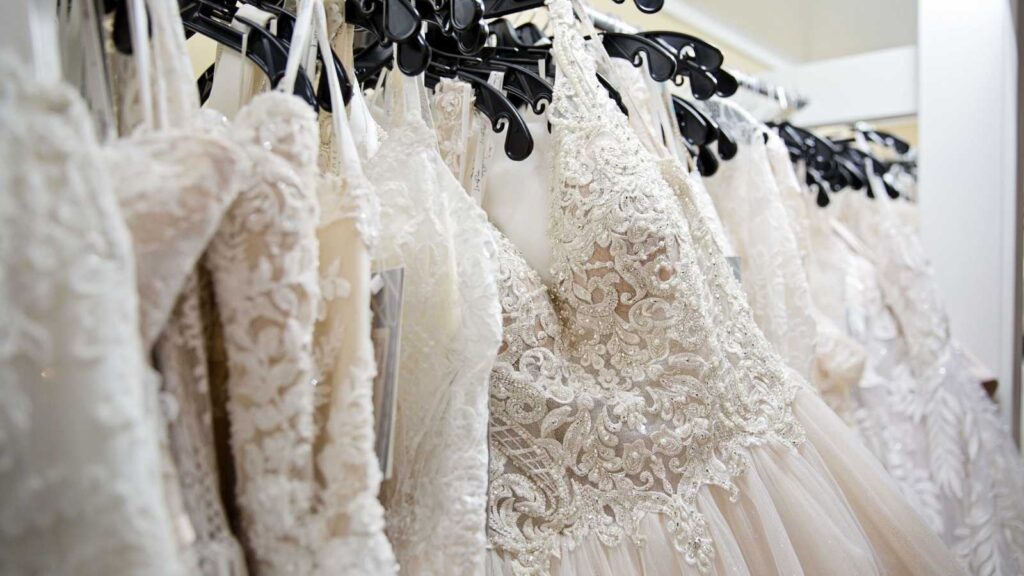 Image credit: Jill Wellington via pexels
One reason plus-size wedding dress shopping feels so emotionally loaded is that many brides walk into the shop already bracing for a blow. Bridal sizing is notoriously disconnected from street sizing, which means even confident shoppers can feel rattled before they have even looked in a mirror. As bridal retailers explain, someone who wears a size 14 to 16 in regular clothes is often a size 18 to 20 in bridal sizing, and sample gowns still tend to cluster in a limited range, such as 8, 10, 12, 18, 20, or 22.
That may sound like a technical detail, but it has emotional consequences. When a bride is fitted into a gown that does not really fit or is told to imagine how it would look if it closed properly, she is not having a neutral shopping experience. She is being asked to perform confidence inside a system that keeps reminding her that she was not the body it had in mind first. For plus-size brides, that makes every outside comment feel louder.
The Price Tag Raises The Stakes
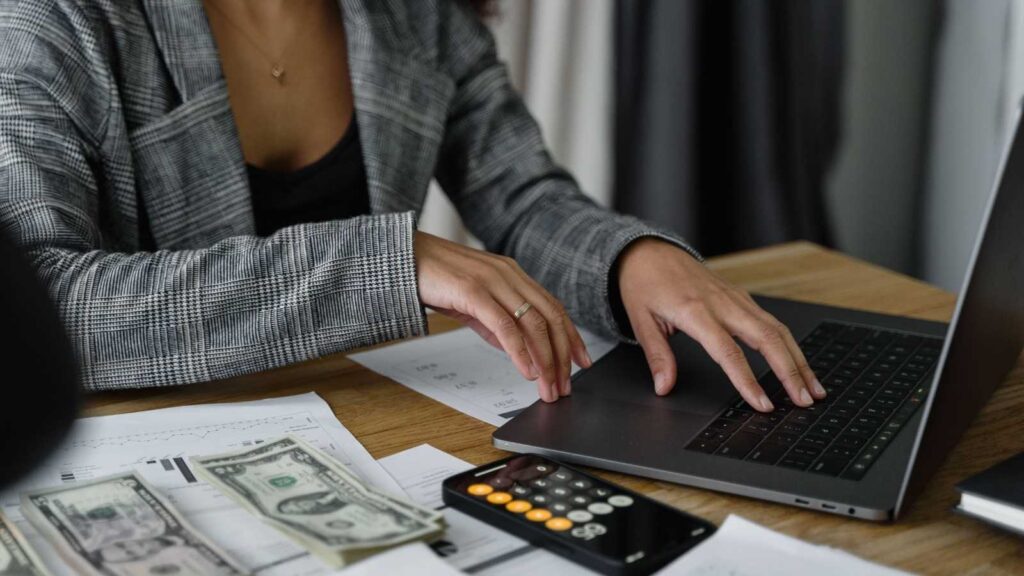 Image credit: Tima Miroshnichenko via pexels
Wedding dress shopping also carries a financial pressure that makes emotional criticism hit harder. Brides are not choosing between casual dresses. They are often making one of the largest fashion purchases of their lives and doing so in an already expensive wedding market.
As a recent survey found, the average cost of a wedding dress in 2026 is approximately $2,100, with additional costs for alterations, undergarments, and accessories pushing the total even higher for many brides. For plus-size brides, those numbers can feel even more stressful because extended-size options are not always stocked, sampled, or as easy to alter.
When a mother, sister, or relative pressures a bride to walk away from a dress she loves because it is not “flattering enough,” the bride is not just absorbing aesthetic feedback. She is also being pushed toward another expensive search, another round of fittings, and another cycle of emotional exposure. The criticism lands in a context where both joy and money are already on the line.
When “Flattering” Stops Being Helpful
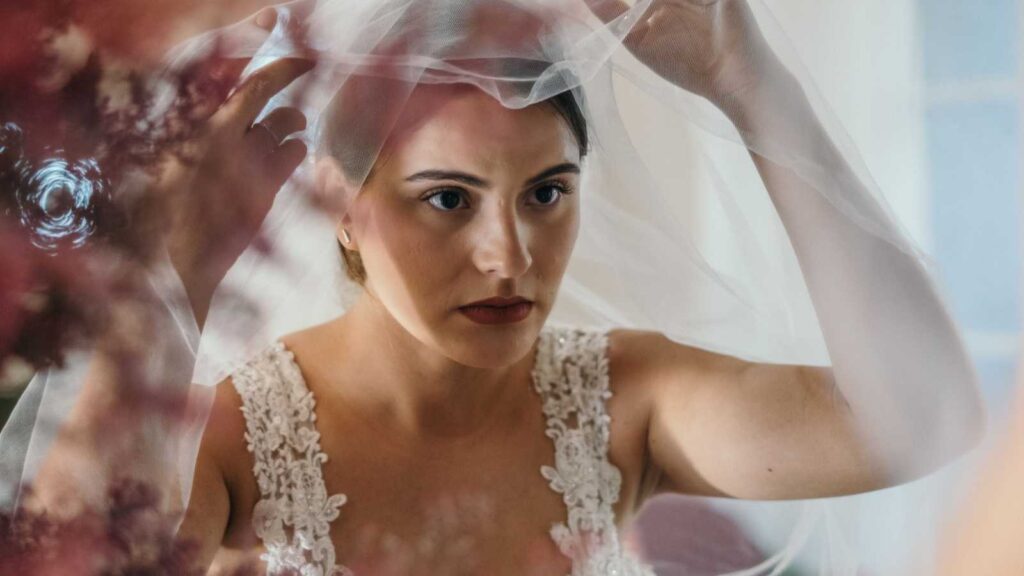 Image credit: Los Muertos Crew via pexels
In so many bridal conversations, “flattering” gets treated like an objective standard when it is often just a coded way of saying smaller, smoother, quieter, and less visible. This is especially true for plus-size brides.
A fitted bodice becomes “too revealing.” A soft stomach under satin becomes “unforgiving.” A bride’s excitement gets interrupted by someone else’s panic that she is not minimizing herself correctly. That is why criticism from family can cut so deeply.
Mothers often believe they are protecting their daughters from embarrassment or regret. In reality, they may be passing down decades of body anxiety, diet culture, and respectability politics.
What sounds like concern can feel like a warning that your body is still a problem, even on the day you are supposed to be the center of the room. In that environment, a dress is no longer judged only on beauty or craftsmanship. It is judged by how successfully it hides the body inside.
The Sample Room Has Its Own Hierarchy
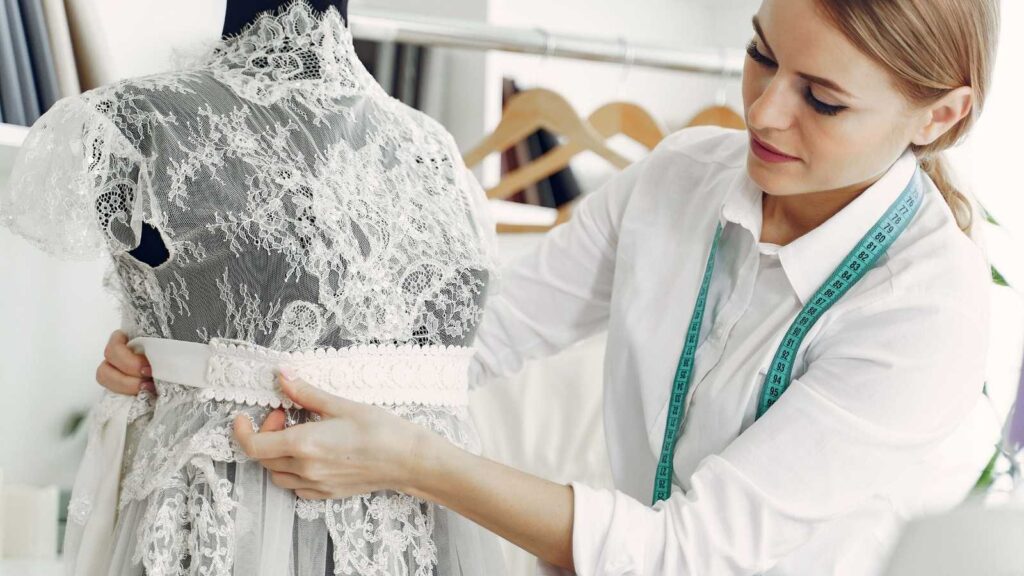 Image credit: Gustavo Fring via pexels
The fitting room itself can reinforce those messages. When the dresses available to try are more limited for bigger bodies, brides get nudged toward compromise before they even form their own opinion. If the only sample that fits is an A-line gown with extra coverage, that silhouette can start to seem like the only “safe” option, even if the bride actually wants drama, structure, or sensuality.
Kleinfeld’s plus-size shopping guidance tries to reassure brides by noting that it carries more than 200 in-store styles in bridal sizes 20 to 24 and that most of its gowns can be ordered up to size 32. That is a meaningful step forward, but it also underscores the larger reality that size inclusivity is still treated as something to call out, not something so standard it no longer needs explaining.
Plus-size brides still have to think about access in ways straight-size brides often do not. They are not just shopping for style. They are shopping for the chance to participate fully.
Family Opinions Can Reshape The Mirror
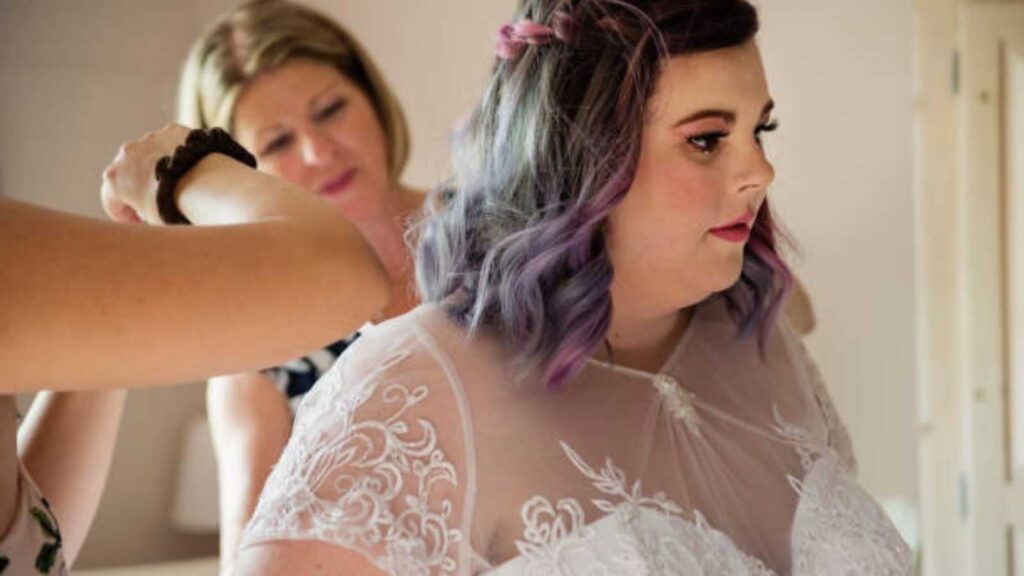 Image credit: martinedoucet via pexels
What makes this experience so hard is that plus-size brides are often doing two jobs at once. They are trying to decide how they want to look and how to manage other people’s reactions to it, often while quietly wondering whether they are wasting time and money on a dress someone else will talk them out of.
A mother’s disappointment, a stylist’s hesitation, or a relative’s comment about arms, belly, or back can change how a bride sees herself in real time. A gown that felt elegant thirty seconds earlier can suddenly feel risky, exposed, or wrong, and brides may feel pressured to start over rather than trusting what they already loved.
This is why so many women in plus-size communities talk about dress shopping as emotional labor. They are not only choosing between lace and satin or fitted and flowy. They are filtering other people’s fear through their own body history and trying to stay connected to their own instinct while standing inside a culture that has spent years telling them to edit, reduce, and apologize for their shape.
For some brides, the hardest part of the appointment is not the zipper or the sample size; it is holding on to their own reflection after someone else tries to rewrite it and making choices that protect their confidence and save money rather than spending more to appease someone else’s discomfort.
Protecting The Moment Matters
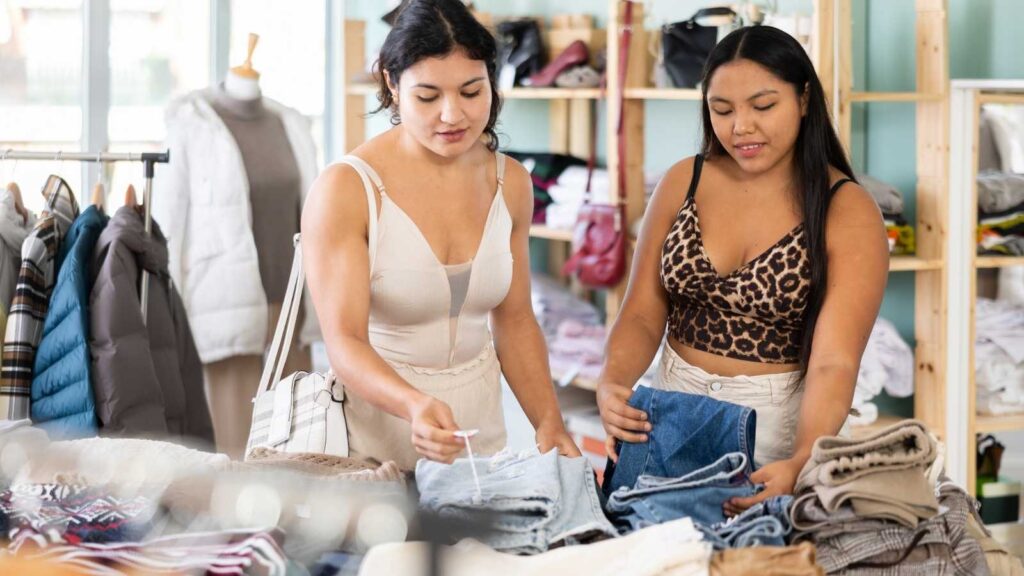 Image credit: BearFotos via pexels
For plus-size brides, protecting joy is not extra. It is a strategy. That might mean bringing fewer people to appointments. It might mean shopping first with a trusted friend before involving family. It might mean deciding in advance that comments about weight, “problem areas,” or slimming tricks are off limits.
Those boundaries are not overreactions. They are a way to keep the appointment centered on the bride rather than on the anxieties that other people bring into the room. It also helps to remember that feeling beautiful and looking smaller are not the same goal.
A gown can honor your shape without disguising it. A dress can be fitted, romantic, bold, sleek, soft, or dramatic without earning its value through how much it erases you. Once a bride understands that, she is better able to separate actual fit issues from someone else’s discomfort with seeing a plus-size body fully celebrated.
Choosing The Dress That Feels Like You
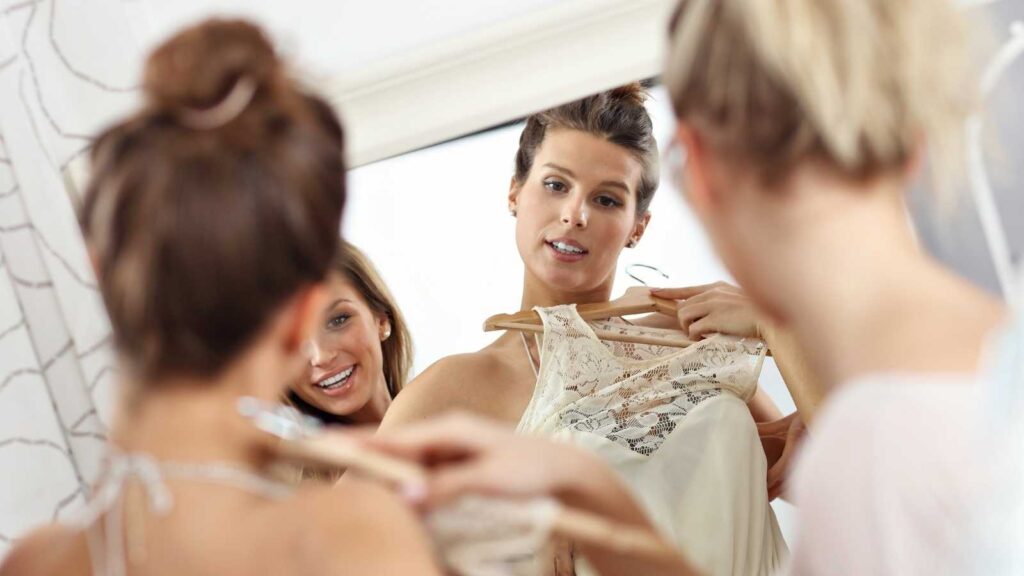 Image credit: Kamil Macniak via shutterstock
At its best, wedding dress shopping is meant to be a source of recognition. Not the recognition of becoming thinner, tidier, or more acceptable, but the recognition of seeing yourself and thinking, yes, that is me. For plus-size brides, getting to that moment often requires pushing through an exhausting amount of noise.
Bridal sizing can make the experience feel alienating. Price can make it feel risky. Family critique can make it feel punishing. But the clearest answer is usually the simplest one. If you feel beautiful, grounded, and like yourself in the dress, that matters.
If someone else’s reaction makes you doubt a gown you loved five minutes earlier, that is worth noticing too. The hidden emotional pressure behind plus-size wedding dress shopping is real, but so is a bride’s right to choose a dress that reflects her joy instead of someone else’s fear. The best bridal look is not always the one that wins the room. It is the one that lets the bride feel fully present inside her own day.
Disclaimer: This list is solely the author’s opinion based on research and publicly available information. It is not intended to be professional advice.
Like our content? Be sure to follow us





 English (US) ·