
.jpg)
PROTECT YOUR DNA WITH QUANTUM TECHNOLOGY
Orgo-Life the new way to the future Advertising by Adpathway
The Therm-a-Rest NeoAir XTherm NXT Max is an insulated inflatable sleeping pad with an R-value of 7.3 that’s great for winter camping. A full 3″ thick, it’s extra wide and has a rectangular shape so you can spread out during those long winter nights when there’s little to do except sleep. The pad is made with extra durable fabrics, 30d (top) and 70d (bottom) nylon for added reliability in harsh conditions and comes with a stick valve and pump sack for rapid inflation.
RELATED: 10 Best Backpacking Sleeping Pads
- Gender: Unisex
- R-Value: 7.3 (ASTM F3340-18)
- Size tested: Regular (72″ x 25″)
- Thickness: 3.0 in
- Weight: 23 oz
- Shape: Rectangle
- Valve: Winglock (stick valve)
- Packed dimension: 11″ x 5″
- Top fabric type: 30d Nylon ripstop
- Bottom fabric type: 70d Nylon Soft Grip
The Therm-a-Rest NeoAir XTherm NXT Max Sleeping Pad is an insulated air mattress designed for cold-weather camping and backpacking. Unlike the regular XTherm NXT, which has a mummy shape, the XTherm NXT Max is rectangular and is only available in a 25″ width. Otherwise, the construction and the internal construction of the two pads, their valves, and the materials they’re made with are identical.
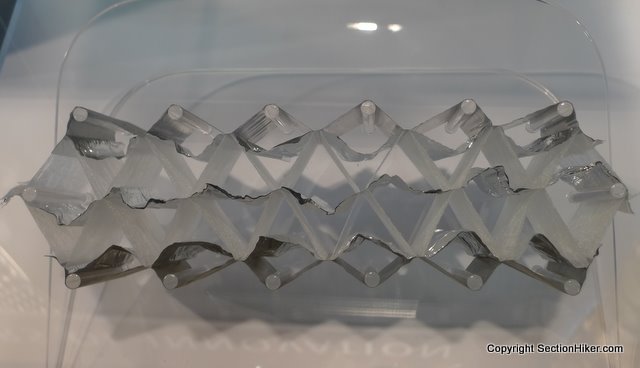 Therm-a-Rest NeoAir Insulation Chambers
Foil Insulation
Weighing 23 oz, the XTherm NXT Max was one of the widest sleeping pads available, at 25″, when it first came out, and quite a novelty. It is insulated with a honeycombed reflective foil that traps warm air under a sleeper to keep them warm, an ingenious innovation for its time, which is exceptionally lightweight, compressible, and effective. Before it was introduced, most cold-weather sleeping pads were insulated with down (Exped) or Primaloft (Big Agnes) but were much heavier and bulkier as a result. Unfortunately, the foil in the XTherm Max makes the pad somewhat noisy to sleep on, sounding like crunching potato chips, particularly when the pad is slightly deflated for comfort. Therm-a-Rest made the pads less noisy some years ago, but the sound is still quite noticeable when you move around.
R-Value
When choosing a winter sleeping pad, you want to aim for a sleeping pad with an R-Value of 5.5 to 6.0. This can be done with one pad or by stacking pads since R-values are additive. With an R-value of 7.3. the Xtherm Max is quite comfortable and warm to sleep on, particularly in a tent resting on snow.
The R-value is determined using a standardized test process known as ASTM F3340-18, which makes it possible for consumers to compare the insulation values of pads from different vendors. Most major pad manufacturers have adopted it and REI requires that the pads it sells have been tested using it. Before this standard was introduced, you really had no way of knowing if or how manufacturers rated their pads. I personally steer clear of sleeping pads, particularly winter pads, that have not been rated using this standard test methodology.
Valve and Pumpsack
The XTherm NXT Max uses a WingLock valve, first introduced in 2020, which lets you rapidly deflate the pad and inflate it by mouth or with the included pump sack. The pump sack is worth using in winter to avoid blowing moisture into the pad by mouth that will freeze in the valve or insulation chambers overnight. The pump sack, which is basically a large stuff sack with a valve at one end, can also double as a protective stuff sack for the sleeping pad.
 The pump sack (right) clicks onto a ring around the top of the valve.
While the Winglock Valve works well, it can be confusing to use in the field if you don’t use it frequently. I prefer pads with dual flat values (one for inflation, one for deflation). They’re also much more durable than stick valves, like the Winglock, because they don’t have any twisting parts and lie flush against the surface of the pad rather than stick out from it. I believe Exped was the first manufacturer to introduce flat sleeping pad valves because they were so much more reliable.
Thickness
Thicker inflatable sleeping pads have become increasingly popular in recent years because they’re much more comfortable to sleep on. Despite being 3″ thick, the XTherm NXT isn’t as comfortable as pads that have vertical baffles or ones that are shaped more like bed springs and conform to your body. The XTherm NXT isn’t terrible, but it’s not the most comfortable pad. I usually let some air out to make the pad softer to sleep on, although this does slightly reduce the pad’s R-value.
Materials
One area where the XTherm exceeds competitive offering is in terms of the thickness of its shell fabrics. It’s made with a 30d nylon top and 70d nylon bottom fabric for increased durability in alpine conditions. The last thing you want is for your air mattress to spring a leak in winter conditions, which is one reason I advocate always bringing two pads on winter trips for stacking, including a foam pad that can’t spring a leak. Whether you need such a thick bottom fabric when camping in a tent on snow is worth questioning, but it does provide extra insurance against puncture.
Recommendation
The Therm-a-Rest XTherm NXT Max Sleeping Pad is durable, lightweight, and high-R-value sleeping pad good for cold weather use. While it’s not the most comfortable winter sleeping pad available today, if you’re a cold sleeper or want a more durable pad for higher-risk winter use, the XTherm NXT Sleeping Pad provides a lot of value.
There was a time when the mummy-shaped XTherm NXT and the XTherm NXT Max were the top dogs among cold-weather sleeping pads, but it’s arguable that they’ve been surpassed by the NEMO Extreme Conditions Ultralight Insulated and Sea-to-Summit XR Pro Insulated cold weather pads which have higher R-values and weigh close to the same amount. But these pads are more comfortable than the XTherm Max, they are quieter to sleep on and have flat valves, which are easier to use. The XTherms (regular and Max) are still excellent products) but they’re just not as competitive as they once were.
Disclosure: Therm-a-Rest donated a sleeping pad for this review.
SectionHiker never accepts payment for gear reviews or editorial coverage. When you buy through affiliate links on our site, we may earn a small commission at no extra cost to you. Help us continue to test and write unsponsored and independent gear reviews, hiking and backpacking FAQs, and free hiking guides.








 English (US) ·