
.jpg)
 6 months ago
80
6 months ago
80
PROTECT YOUR DNA WITH QUANTUM TECHNOLOGY
Orgo-Life the new way to the future Advertising by AdpathwayThe Billion-Dollar Plus-Size Revolution Redefines Fashion’s Future
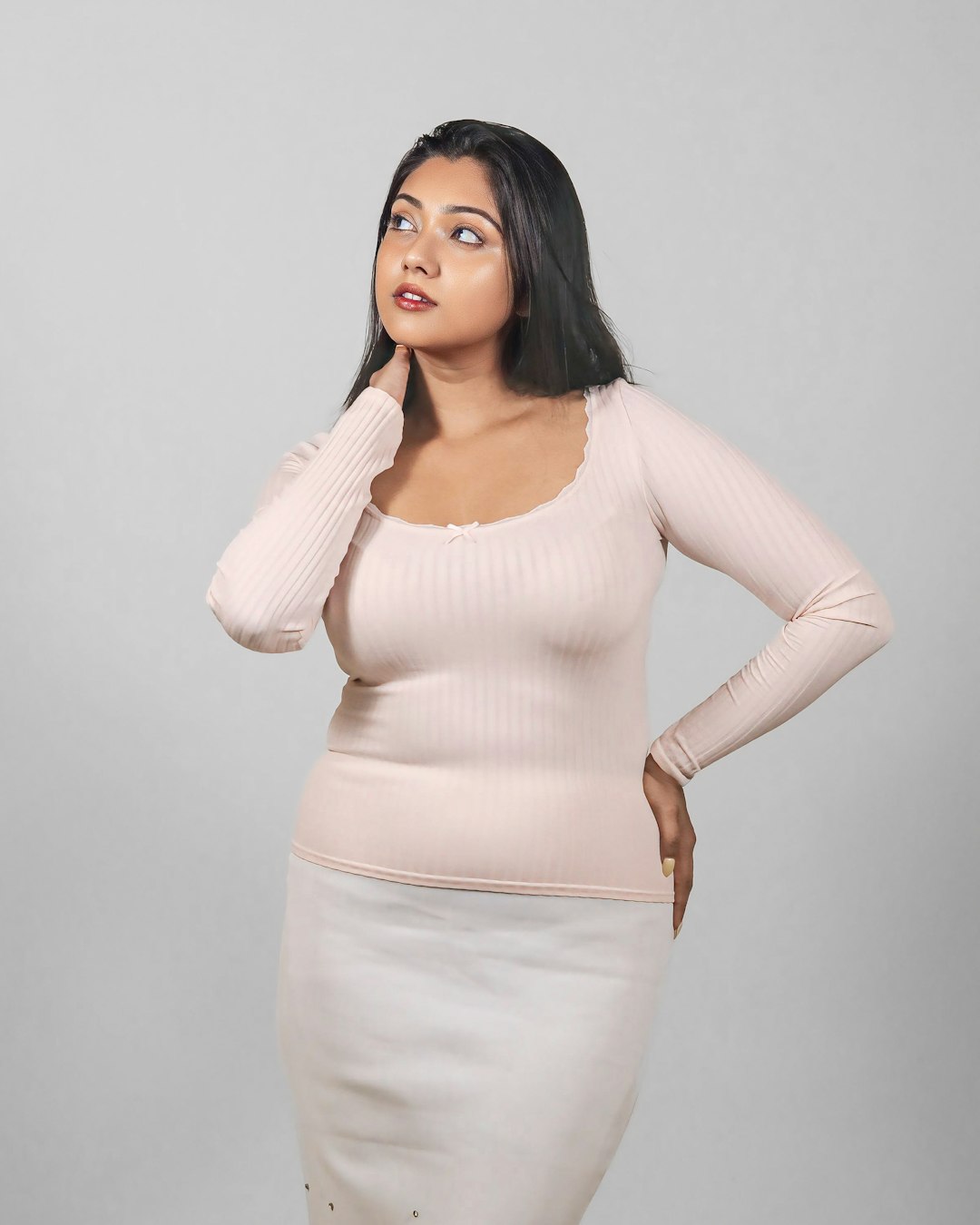 The Billion-Dollar Plus-Size Revolution Redefines Fashion’s Future (image credits: unsplash)
The global plus-size clothing market was estimated at USD 311.44 billion in 2023 and is expected to reach USD 323.24 billion in 2024. These numbers aren’t just statistics – they represent a fundamental shift in how fashion brands understand their consumers. The staggering growth mirrors changing attitudes toward body acceptance and the increasing purchasing power of previously underserved communities. When plus-size fashion thrives, it creates ripple effects that extend far beyond retail shelves into the very fabric of cultural expression.
How Streetwear’s Oversized Aesthetic Accidentally Became Inclusive
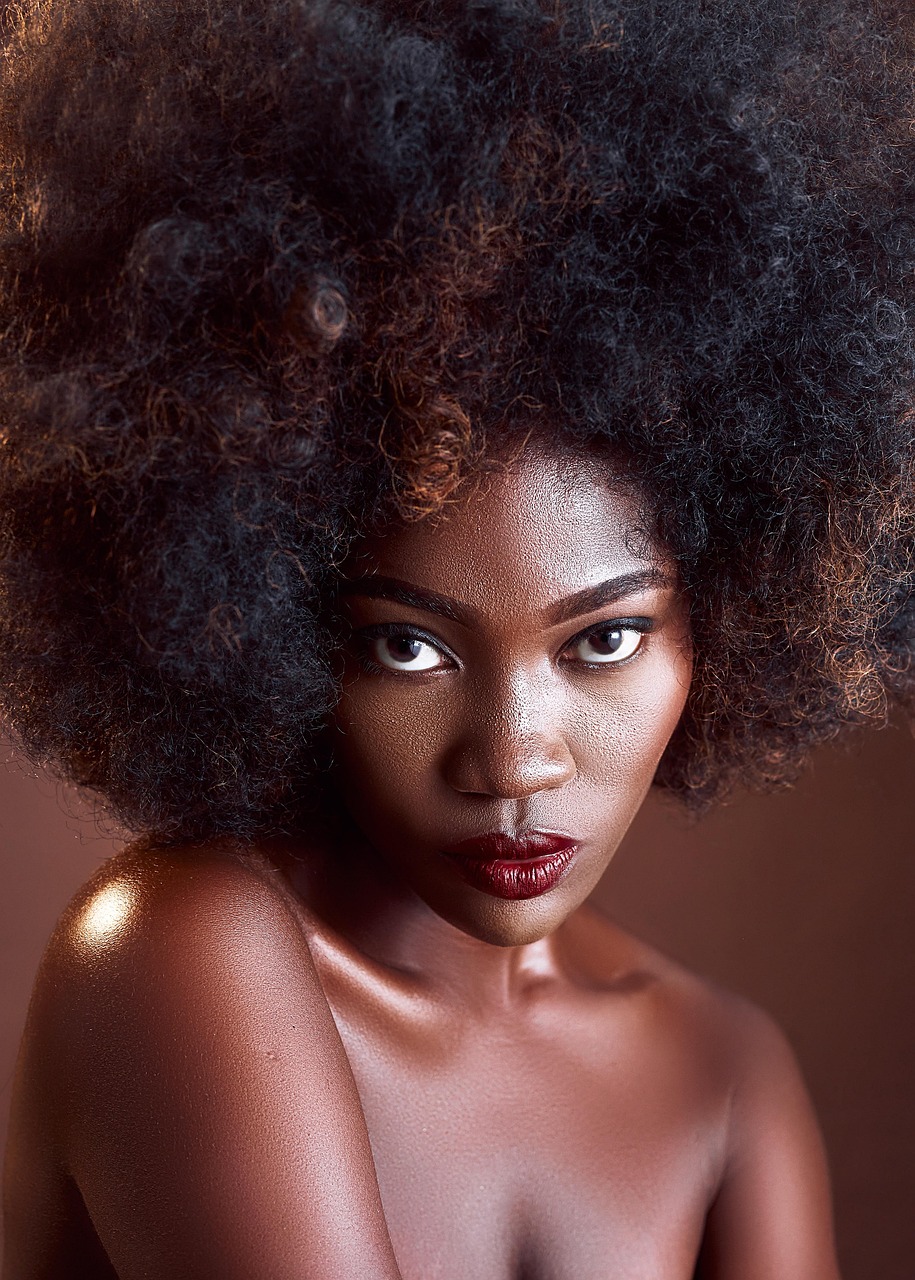 How Streetwear’s Oversized Aesthetic Accidentally Became Inclusive (image credits: pixabay)
Oversized fashion, once confined to niche streetwear, is now widely adopted across all fashion tiers. The influence of streetwear, rooted in skate and hip-hop culture, has driven the popularity of loose, relaxed clothing, reflecting a broader movement toward comfort and self-expression. What started as rebellious urban style has inadvertently created space for bodies of all sizes. The baggy silhouettes that defined authenticity in underground scenes now serve as inclusive canvases for self-expression. Streetwear has always been about comfort, but 2025 takes it to the next level by marrying laid-back silhouettes with premium materials. Oversized hoodies, wide-leg pants, and relaxed joggers dominate, made with fabrics like brushed cotton, bamboo blends, and fleece.
The Surprising Statistics Behind Plus-Size Streetwear Dominance
 The Surprising Statistics Behind Plus-Size Streetwear Dominance (image credits: unsplash)
The casual segment led the market with the largest revenue share of 38.37% in 2023. The demand for casual plus-size clothing has surged, driven by the shift towards comfortable and stylish everyday wear. Within streetwear culture specifically, the global streetwear market size is projected to be worth $347.14 billion in 2024 and reach $637.13 billion by 2032, exhibiting a CAGR of 7.89%. The global streetwear market size is projected to grow from USD 347.14 billion in 2024 to USD 637.13 billion by 2032. The intersection of these markets creates unprecedented opportunities. The women segment accounted for 48.4% market share in 2024 and is anticipated to grow with a CAGR of 6% during the forecast period. This data reveals how streetwear’s casual aesthetic perfectly aligns with plus-size consumers’ desire for both style and comfort.
Social Media Influencers Reshape Beauty Standards Through Fashion
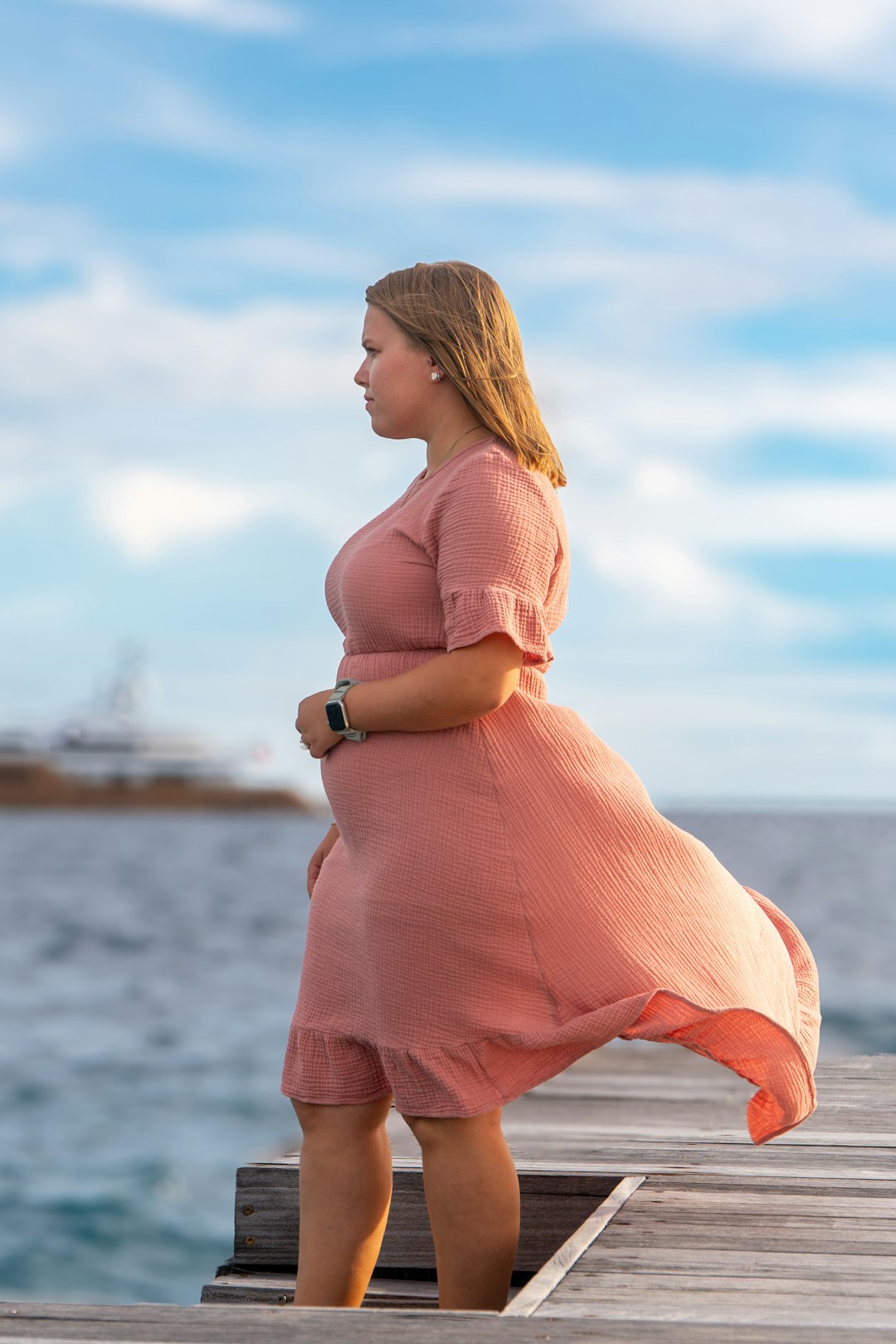 Social Media Influencers Reshape Beauty Standards Through Fashion (image credits: unsplash)
64% of Gen Z buyers say TikTok influences their fashion choices (Statista, 2024). Micro-trends move fast: what’s hot this week is passé the next. Yet within this rapid-fire trend cycle, plus-size influencers have created lasting change by consistently showcasing diverse body types in streetwear styling. In 2024, official data from over 100 plus-size influencer campaigns conducted by Influencer Matchmaker highlights the pivotal role of these influencers in the body positivity movement. Representing diverse backgrounds, these influencers leverage platforms such as Instagram, TikTok, and YouTube to share empowering content and inspire their audiences. The impact on actual sales is remarkable. These digital pioneers prove that authentic representation drives both engagement and revenue, forcing brands to reconsider their narrow definitions of aspirational lifestyle.
Why Fashion Runways Still Lag Behind Market Reality
 Why Fashion Runways Still Lag Behind Market Reality (image credits: unsplash)
Of the 8,763 looks presented across 208 shows and presentations, 0.8 per cent were plus-size (US 14+), 4.3 per cent were mid-size (US 6-12) and 94.9 per cent were straight-size (US 0-4). Plus-size representation is level with last season, at 0.8 per cent. This massive disconnect between runway representation and market demand reveals fashion’s institutional resistance to change. Opportunities for plus-sized models in fashion are disappearing at an alarming rate: During the spring/summer 2020 season, 86 plus-size models walked runways across all four major cities, a tremendous improvement that accounted for 2.8% of all models; by spring/summer 2025, that had plummeted to less than one percent. While streetwear brands capitalize on inclusive sizing for profit, high fashion clings to outdated beauty standards, missing opportunities to connect with their actual consumer base.
Gender-Neutral Streetwear Creates Unexpected Cultural Bridges
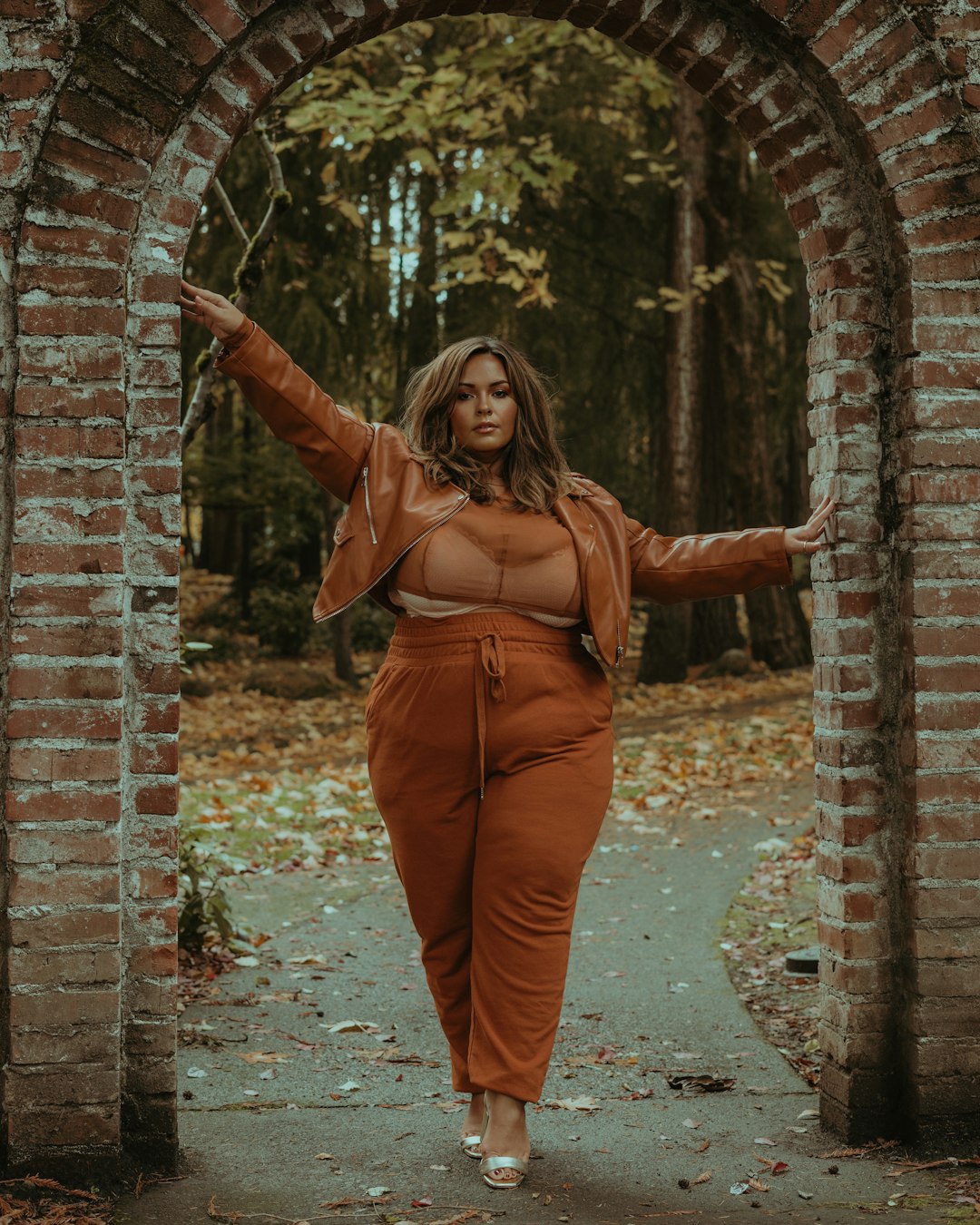 Gender-Neutral Streetwear Creates Unexpected Cultural Bridges (image credits: unsplash)
Gender fluidity and inclusivity are gaining significant traction worldwide due to the cultural shift towards accepting lesbian, gay, bisexual, transgender, queer (LGBTQ), and gender neutrality. Moreover, consumers are seeking clothing that transcends traditional gender norms, allowing them to express their individuality authentically. Brands are moving away from rigid gender norms, focusing on unisex silhouettes and collections that cater to a wide range of body types. Additionally, increased representation across race, gender identity, and ability in streetwear campaigns and collaborations will reflect a more authentic and diverse culture. When clothing removes barriers between traditional male and female sizing, it naturally accommodates diverse body types. The oversized aesthetic that defines contemporary streetwear becomes a unifying language that speaks to anyone seeking comfort and self-expression, regardless of size or gender identity.
The Environmental Impact of Inclusive Fashion’s Growing Demand
 The Environmental Impact of Inclusive Fashion’s Growing Demand (image credits: pixabay)
Sustainability in fashion is no longer an option – it’s a necessity. Streetwear brands in 2025 are embracing recycled materials, ethical production practices, and longer-lasting designs to reduce their environmental impact. Plus-size fashion faces unique sustainability challenges because larger garments require more materials, but they also last longer when properly constructed. However, things are improving as more brands realize the importance of size inclusivity in sustainability. More companies are now offering extended sizes, focusing on better design and fit for plus-size bodies. The push for body positivity and diversity is also encouraging more eco-friendly brands to expand their size ranges, creating more options for everyone. Smart brands are discovering that investing in quality plus-size streetwear creates loyal customers who buy less frequently but value their purchases more highly, ultimately supporting sustainable consumption patterns.

The Curvy Fashionista editorial team is a collective of passionate writers, editors, and content creators who live and breathe all things plus size fashion, beauty, and lifestyle. With a mission to inform, inspire, and empower our community, our staff is made up of style-savvy experts who are deeply committed to celebrating size inclusivity and championing representation in fashion and media.









 English (US) ·