
.jpg)
PROTECT YOUR DNA WITH QUANTUM TECHNOLOGY
Orgo-Life the new way to the future Advertising by Adpathway
A softshell jacket is a stretchy, breathable outer layer, well-suited for winter hiking, that balances weather protection with comfort and mobility. Winter hikers choose softshells because they handle high-output activities well, shed sweat, move with the body, and block wind better than typical fleeces. Many softshells also resist light snow and drizzle thanks to durable water-repellent (DWR) coatings. They fill the gap between lightweight fleeces and fully waterproof hard shells, making them ideal for cold, dry, and windy conditions where breathability matters.
Pros for Winter Hiking
- Breathability: Softshell fabrics allow moisture vapor to escape, reducing sweat buildup and the risk of getting chilled.
- Mobility and comfort: Stretchy weaves and athletic cuts provide an excellent range of motion for trekking poles and layering.
- Wind resistance and warmth: Many softshells block wind effectively and offer moderate insulation, which can be enough during high-output hiking or when paired with a base layer.
- Abrasion resistance: Tougher face fabrics handle brush, rocks, and pack straps better than ultralight shells.
- Versatility: Softshells work across a wide temperature range; they are comfortable during ascents and can be paired with a midlayer or shell when conditions worsen.
Cons for Winter Hiking
- Limited waterproofing: Most are water-resistant, not waterproof. Prolonged snow, sleet, or rain can soak through, especially at seams and shoulders.
- Heavier than ultralight shells: The fabric is often thicker, which adds weight and bulk compared to minimalist hard shells.
- Warm but not warm enough: Without a dedicated insulation mid-layer, softshells may feel cold during low-output periods, long breaks, or subfreezing windchill.
- Slower to dry than thin nylon shells: Due to thicker knits and liners, they may hold moisture longer if saturated.
- Cost: Quality softshells can be pricey, and you may still need to carry a separate waterproof shell.
 Softshell jackets are superior to hard shells in terms of breathability
When is a softshell jacket the best choice for winter hiking?
A softshell shines in cold, dry, breezy weather when you expect sustained exertion: uphill climbs, snowshoeing, or fastpacking. It’s ideal when precipitation is light or intermittent and the priority is keeping sweat under control. If the forecast calls for wind and temps in the 20–40°F range, a softshell over a moisture-wicking base layer (plus a light midlayer) can keep you comfortable without the clammy feel of a fully waterproof shell.
When should you avoid relying on a softshell?
Avoid using a softshell as your only outer layer in prolonged precipitation, wet snow, or mixed conditions (rain-snow). In these scenarios, a waterproof-breathable hard shell is safer. Also, reconsider whether you anticipate long, stationary periods where a dedicated insulated jacket would be more effective. If wind chills are extreme or the forecast is highly uncertain, bring a packable hard shell and an insulating layer to supplement the softshell.
How should you layer with a softshell in winter?
Use a wicking base layer (merino or polyester) to move sweat away from your skin. Add a light midlayer (grid fleece or Polartec Alpla fleece) under the softshell for added warmth while maintaining breathability. Carry a packable waterproof shell for storms and a puffy (synthetic or down) for rest stops or emergencies. This system lets you fine-tune warmth and protection without overheating during climbs.
What features matter most in a winter softshell jacket? Look for:
- Fabric weight and face weave for wind resistance and durability.
- DWR treatment for snow shedding.
- Breathable liners or backs with venting options (pit zips, mesh pockets).
- Helmet-compatible hood with good adjustment and a high collar.
- Cuff and hem closures to seal out drafts.
- Pocket placement that works with a backpack hip belt or harness.
- Fit that allows layering without excess bulk. If you hike in wet climates, consider a hybrid that combines softshell panels with waterproof zones on shoulders and hood.
How do softshell jackets compare to hard shells for winter hiking?
Softshells prioritize comfort, breathability, and mobility, making them better for steady movement in cold, dry conditions. Hard shells prioritize weatherproofing, excelling in sustained precipitation, wet snow, and high winds. Many winter hikers carry both: hike in a softshell to manage moisture and temperature, then deploy a hard shell when the weather turns wet or when winds and exposure increase.
Are softshells warm enough on their own in freezing temperatures?
Often not. Most softshells provide moderate warmth via wind-blocking fabric and light linings, but they’re not substitutes for insulated jackets. Below freezing, use them as part of a system: base layer + midlayer + softshell while moving, then add an insulated puffy during breaks or at the summit. Your metabolism, pace, and wind exposure will determine how much insulation you need.
 Softshells jackets are easily layered with fleece pullovers pr hoodies
Do softshell jackets require special care for winter use?
Yes. Wash periodically with technical detergent to maintain breathability, and reapply DWR when water stops beading. Avoid fabric softeners, which can clog pores. Dry according to the manufacturer’s instructions: often low heat helps reactivate DWR. Inspect high-wear areas (shoulders, cuffs) for abrasion and re-treat or repair as needed to keep performance consistent.
Are softshells worth it for winter hiking?
For active winter hikers in mostly dry conditions, softshell jackets are a smart choice. They keep you comfortable while moving, balance wind protection with breathability, and stand up to trail abrasion. Their limits show in sustained precipitation and long, cold stops—so pair them with a waterproof shell and an insulated layer. With the right layering strategy, a softshell becomes a reliable part of a winter kit.
5 Best Softshell Jackets for Winter Hiking
These models are strong winter performers.
Arc’teryx Gamma Hoody

- Why it’s great: A benchmark all-rounder. Durable face fabric, excellent mobility, and solid wind resistance without feeling swampy. Good for cold, dry winter days and aerobic hikes.
- Highlights: Stretchy softshell, articulated patterning, adjustable hood, decent DWR. Breathes well for a protective jacket.
- Best for: Varied winter conditions where you value comfort and movement over full waterproofing.
- Gender: Men’s and Women’s
Patagonia R1 TechFace Hoody

- Why it’s great: Combines the proven R1 fleece interior with a tough, weather-resistant face. It’s warm, breathable, and handles wind better than a standard fleece.
- Highlights: Excellent breathability, cozy interior, good abrasion resistance. Not fully windproof, which helps prevent overheating.
- Best for: High-output winter hikes in cold, mostly dry climates; perfect when you prefer to avoid sweat buildup.
- Gender: Men’s (only)
Rab Kinetic 2.0 Jacket

- Why it’s great: Though technically waterproof, it behaves like a breathable softshell with stretch and comfort, making it a solid choice if your winter includes wet snow or mixed precipitation.
- Highlights: Highly breathable waterproof fabric, great stretch, low weight. Packs down better than many classic softshells.
- Best for: Uncertain winter forecasts where you want softshell comfort with real wet-weather insurance.
- Gender: Men’s and Women’s
Black Diamond Alpine Start Hoody
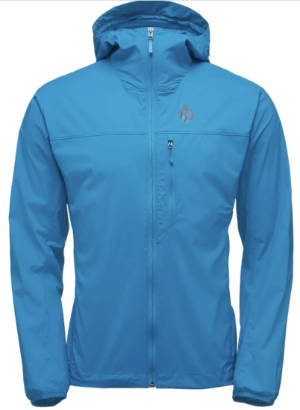
- Why it’s great: Ultralight and highly breathable wind-resistant softshell. Ideal for fast-and-light winter missions paired with warm layers underneath.
- Highlights: Excellent packability, strong wind resistance for its weight, minimalist design. Not a deep-winter standalone. Layer smartly.
- Best for: Aerobic hikers who run hot and prefer carrying a backup shell for storms.
- Gender: Men’s and Women’s
Outdoor Research Ferrosi Hoody

- Why it’s great: A crowd favorite balancing stretch, breathability, and durability at a friendly price. Good wind resistance for most hiking scenarios and comfortable over a midlayer.
- Highlights: Soft, stretchy fabric, reliable DWR, reinforced wear areas in recent versions. Great value.
- Best for: Budget-conscious hikers who want a versatile jacket for cold, dry outings and moderate wind.
- Gender: Men’s and Women’s
Layering Tips for Winter Hikes with a Softshell
- Base Layer: Choose a moisture-wicking merino or polyester. Avoid any cotton.
- Midlayer: Use a breathable fleece (grid fleece is excellent) or a light synthetic puffy for stops and descents.
- Backup Shell: In areas with frequent mixed precipitation, carry a lightweight waterproof hardshell to throw on if conditions deteriorate.
- Ventilation: Use zippers proactively. If your jacket has pit zips, open them on climbs and close them on ridgelines.
- Fit and Adjustments: Dial in hood, hem, and cuffs to seal out wind. Keep gloves compatible with cuffs.
- Hat: Wear a fleece hat. Your perspiration will evaporate quickly.
- Gloves/Mittens: Wear fleece gloves under waterproof/breathable mittens. Take off the mitts if too warm.
Bottom Line
For winter hiking, softshell jackets provide a sweet spot of breathability, comfort, and wind resistance that suits cold, dry conditions and active movement. Their main limitation is sustained wet weather, so plan your layers and carry a compact waterproof shell if your forecast is unsettled. Choose a model that matches your climate and pace, and you’ll get a reliable, comfortable outer layer that keeps you warm without overheating on winter trails.
SectionHiker never accepts payment for gear reviews or editorial coverage. When you buy through affiliate links on our site, we may earn a small commission at no extra cost to you. Help us continue to test and write unsponsored and independent gear reviews, hiking and backpacking FAQs, and free hiking guides.








 English (US) ·